|
7 min
Australian coffee culture is evolving. As health-conscious consumers demand better on-the-go options, one question matters: "What's in my ready-to-drink (RTD) coffee?" In this article, discover what clean label means, which ingredients to avoid, and how to choose premium RTD coffee that delivers specialty café quality.
* * *
What Clean Label in RTD Means?
In 2026, ‘clean label’ is reshaping Australia's beverage industry.
Here's what it means:
Short ingredient lists:
Recognisable ingredients, no mysterious natural flavoursNo synthetic additives:
Free from artificial colours, sweeteners, and chemical preservativesMinimal processing:
Natural stabilisation instead of complex chemical systemsEthical sourcing:
Transparent coffee origin, sustainable plant-based milks, fair-trade practicesEnvironmental and social responsibility:
Recyclable packaging and carbon conscious production
For Australian consumers, this shift reflects a deeper value alignment. It's about the values the brand represents. An Australian RTD coffee brand that sources locally, works with Australian coffee roasters, uses Australian plant-based milks, and commits to fair-trade practices deserves a place in the shelf.
* * *
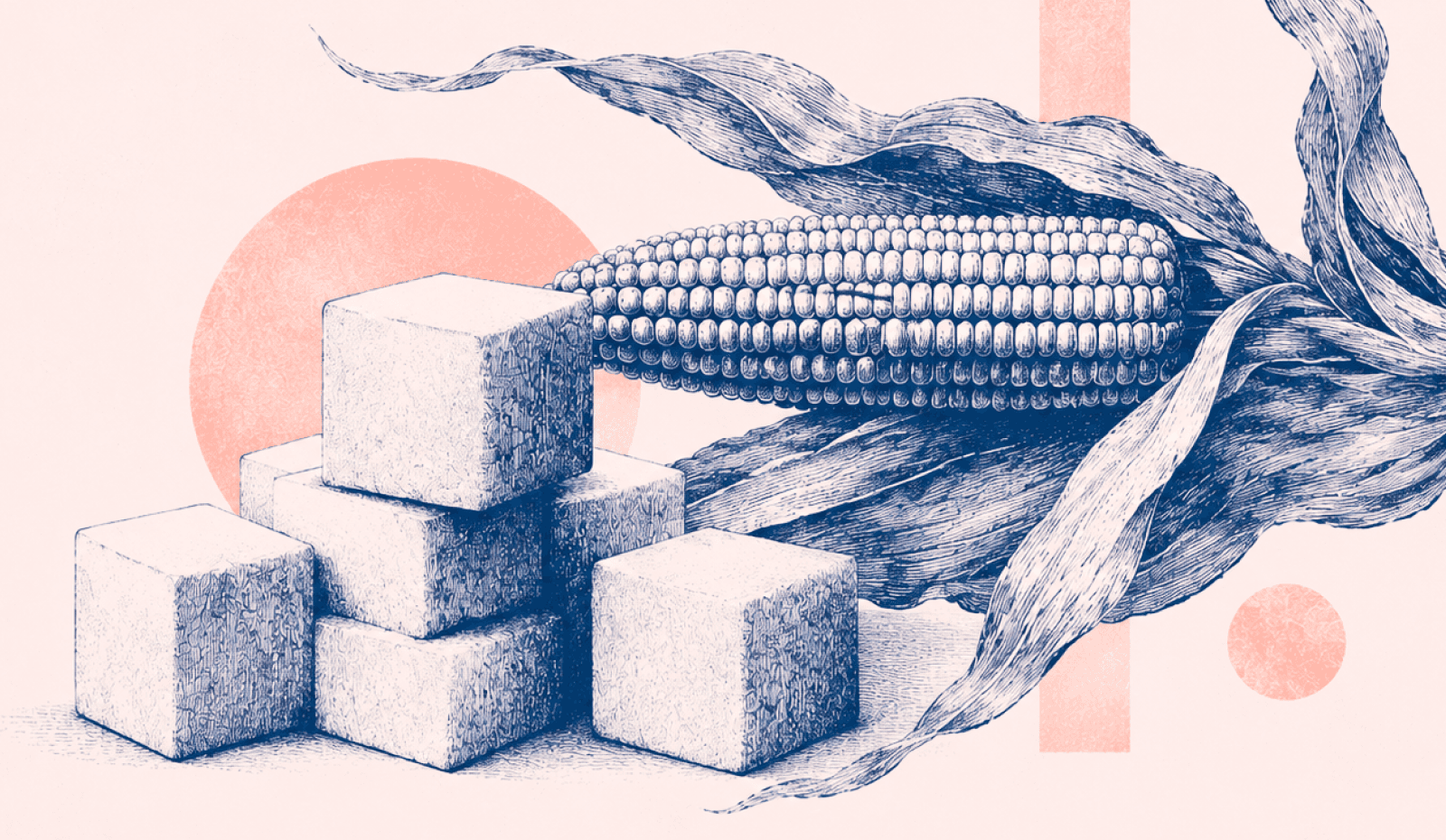
Most mainstream canned coffee isn’t built around coffee. The Australian National Heart Foundation recommends no more than 25g of added sugar per day. Yet some popular RTD coffees contain 20-30g in a single serve, nearly your entire daily limit.

Why sugar and sweeteners? | |
|---|---|
Masking inferior coffee | Sugar hides off-flavours from low-grade coffee beans. Premium brands use specialty grade coffee that tastes excellent without sweeteners. |
False creaminess | Vegetable oils and corn syrup solids replace real dairy, requiring more sugar to mask texture. |
Inexpensive stabiliser | Sugar acts as an inexpensive stabiliser and thickener, keeping ingredients from separating during shelf storage. |
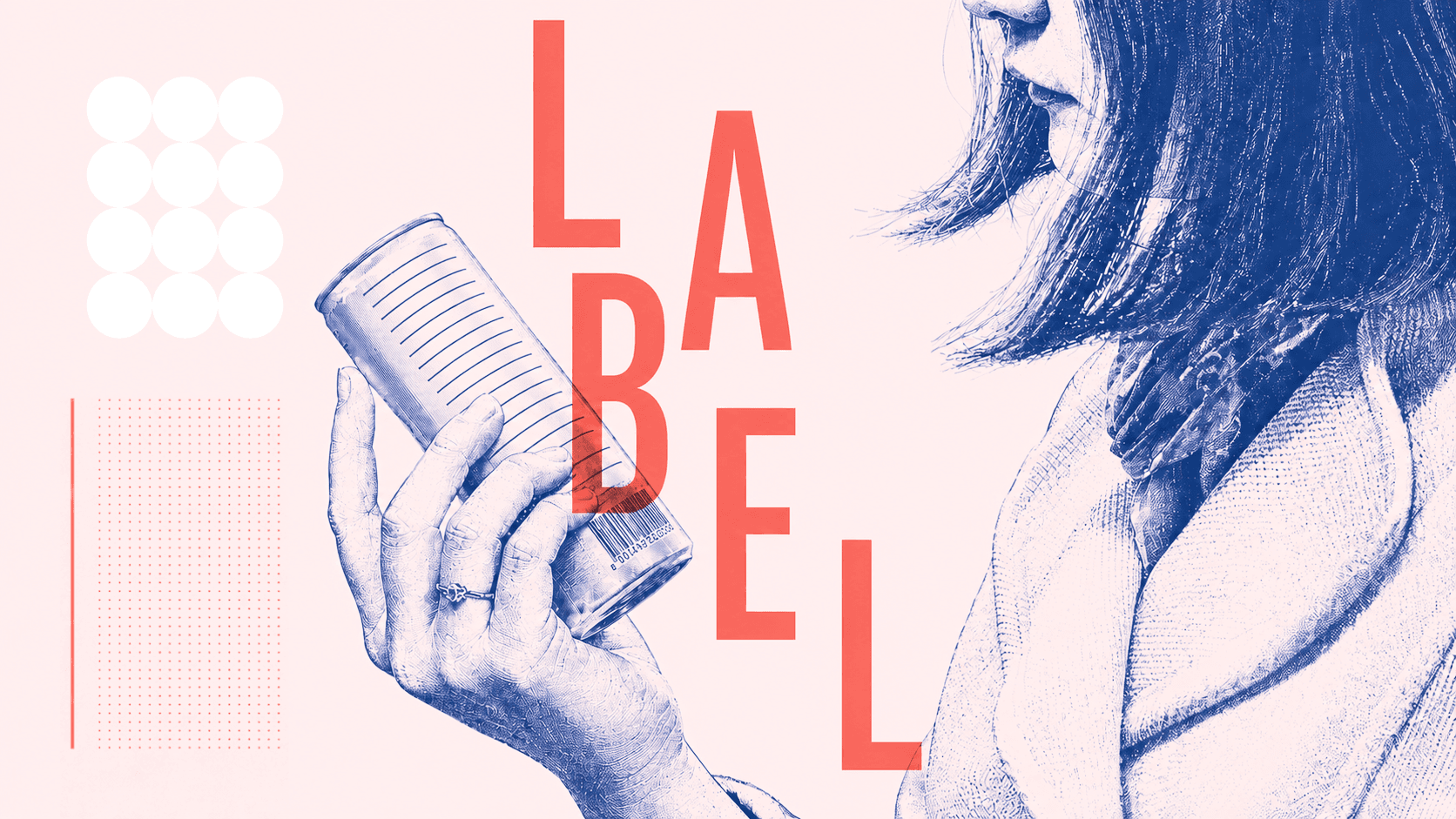
What to look for on the label: | |
|---|---|
Nutrition facts panel: | Check Sugars per 100ml and multiply by can size |
Ingredient list order: | Watch ingredient order: sweeteners in first 5 = high sugar |
Red flags | Cane sugar, corn syrup, agave, glucose, maltodextrin, condensed milk, or any other syrups. |
Clean-label RTD coffee delivers flavour from specialty coffee itself, not sweeteners. If you want better for you caffeine, prioritise no added sugar and let the coffee be the hero.
* * *
Not every additive is evil, but long ingredient lists usually signal one thing: the product needs help. In RTD coffee, the biggest red flags are added flavours (used to cover low quality coffee), heavy sweetener systems, and layers of stabilisers that turn coffee into a milkshake. Be sceptical of anything trying to be vanilla caramel brownie latte while calling itself coffee.
* * *
Dairy vs. Plant-Based: Match Your Goals
The dairy vs. plant-based debate isn't binary, it's about alignment with your priorities. Many Australians reduce dairy for health goals. Plant-based RTDs built on café standards deliver barista grade taste.
If you are looking for a coffee on the go that supports your health goals and lifestyle while tasting like real barista grade coffee, look for plant-based RTDs that are built on café coffee standards.
What to look for on the label: | |
|---|---|
Naturally lower saturated fat, often fortified with calcium and B12 | |
Environmentally lighter footprint, suitable for vegan and dairy-free preferences | |
Oat and almond milks add subtle natural sweetness without added sugar |
Australia's café culture has normalised plant-based options to an extent unmatched globally, creating premium positioning for plant-based RTD coffee.
Considerations: | |
|---|---|
Some plant-based milks contain emulsifiers (though clean-label brands minimise these) | |
Protein content varies (oat typically 2-3g, almond 1g, coconut minimal) | |
Flavour profile differs from traditional dairy lattes |
The best choice? One matching your routine, a no added sugar long black for clean focus, or a plant-based oat latte for creamier ritual.
* * *
Premium RTD coffee in Australia has matured to offer genuinely healthy, café-quality alternatives aligned with sustainability, transparency, and health consciousness.
If you care about specialty coffee, clean-label is your shortcut to quality. Use this checklist next time you’re in the RTD fridge:
RTD Checklist | |
|---|---|
Coffee First | Look for coffee-forward positioning, not flavour masking |
Sugar Check | Aim for no added sugar or under 6g per serve (and no sweeteners) |
Ingredient Transparency | Recognisable ingredients only |
Certifications | Organic, fair-trade, Australian-made labels matter |
Premium = Quality | Clean-label costs 30-50% more but delivers genuine value |
Milk that matches your goals | Plant-based options like oat and almond can be premium when done right, and dairy options should not be secretly sweetened. |
Australia's café culture has set a global benchmark for quality and craft. The next time you reach for an RTD coffee in a convenience store or gym fridge, ask yourself: Would this appear on a specialty café menu? If the answer is yes, you've found a clean-label winner.
* * *